digital-transformation
Test Case Generation using Generative AI

Problem Statement:
Manually writing test cases for software development projects is time- and effort-consuming due to complexity of the scenarios; besides, it is not that effective. Adding your best resources in the creation and execution does not solve the problem. In most of the cases, the process of writing test cases is not standardized, hence inconsistent and inaccurate. Complex scenarios are very hard to handle manually; maintaining or reusing test cases can also be very difficult as the project evolves.
To manage test cases effectively, tools like Jira and TestRail are essential for bug tracking and test management. However, these tools do not inherently accelerate the test case writing process.
Solution:
To address this gap, Object Edge has developed one tool that uses AI to create the test cases, ensuring efficiency and accuracy.
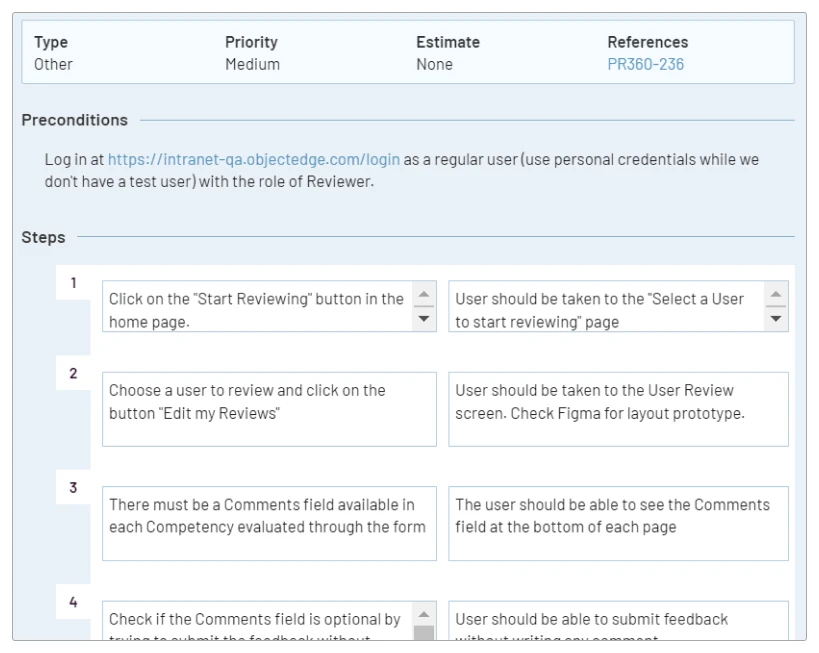
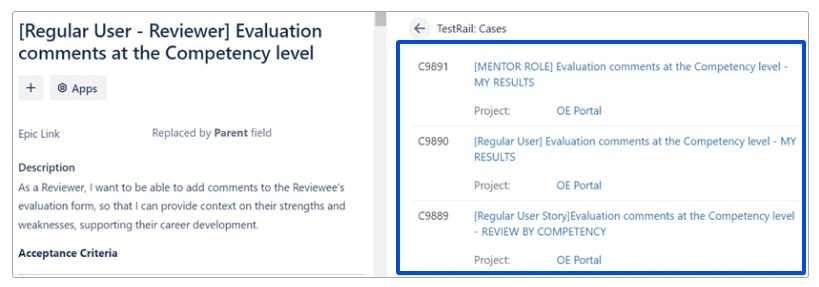
TestGenAI tool, automatically generates test cases and handles all necessary links and integrations between Jira and TestRail, presenting the test cases ready for execution. The team only needs to review them. To use the tool the user only needs to provide the Jira description and optional parameters, then TestGenAI generates the test cases and prompts the user to review them.
This process eliminates the need for QA to write test cases manually, allowing them to focus on reviewing, updating and executing them.

Example of the results:
Related articles
-
digital-transformation
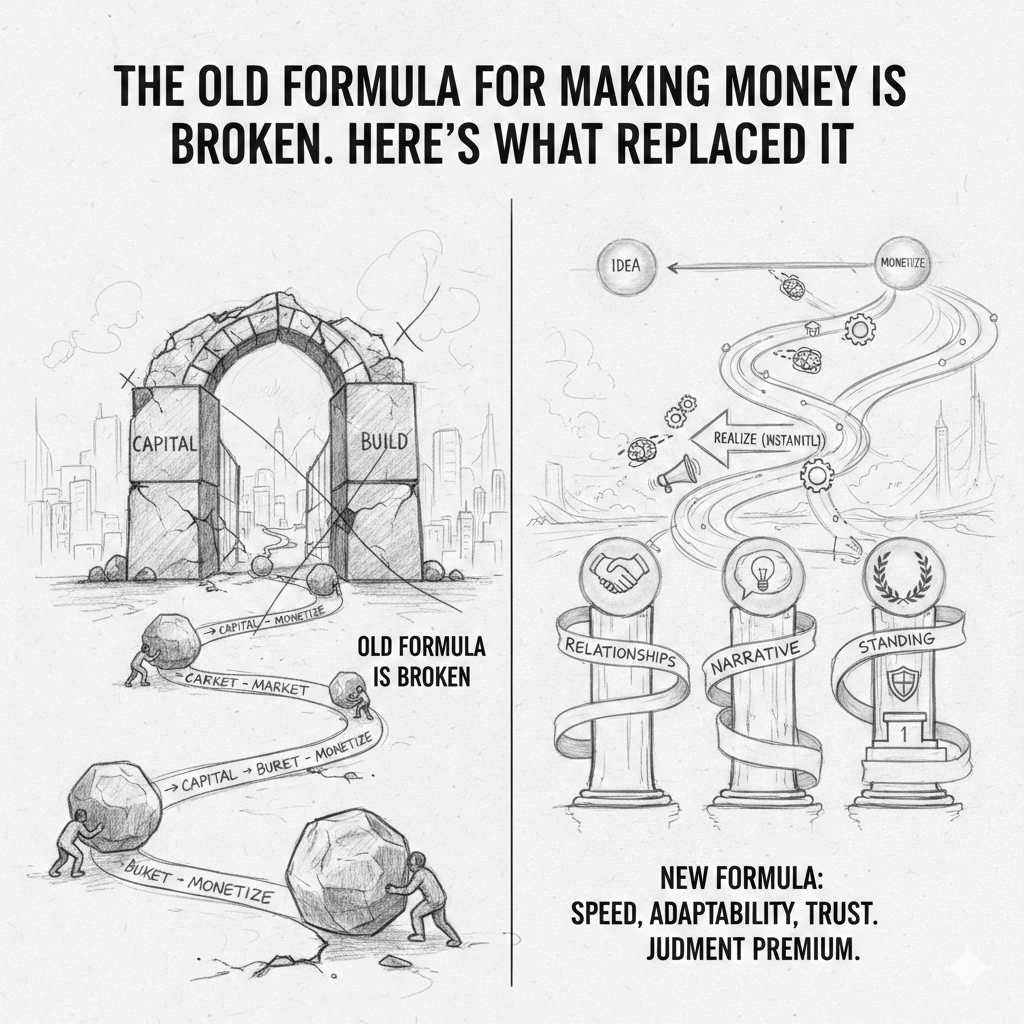
The Old Formula for Making Money Is Broken. Here's What Replaced It.
For decades, turning an idea into revenue followed a predictable sequence: Idea → Capital → Build → Market → Monetize.Capital and building were the hard parts.
-

digital-transformation
Demand Planning with OE and Palantir
For many manufacturers, demand planning is still a broken process—fractured across teams, shaped by competing assumptions.
-

digital-transformation
AI Adoption Soars – Why Ontologies Are the Key to Enterprise AI Value
Part one of this research paper looks at the current state of AI. Part two explains what data ontologies are and how they provide context to enterprise data.